Introduction: Key Industry Pain Points for Global EV Investors in 2026
Global automotive distributors and overseas dealers face huge uncertainty in 2026’s EV trading market. Fluctuating regional trade policies, shifting consumer demand, and changing brand export strategies make it difficult to judge short-term market hotspots and inventory layout directions.
April 2026 marks a critical turning point for China’s EV overseas layout. Multiple mainstream carmakers adjusted their export product lines and regional agency policies. This report sorts out real export data, regional market changes and hidden industry trends, providing reliable layout references for global automotive practitioners.
Practitioners can check the latest international automobile trade tariff standards via to grasp real-time trade rules.
April 2026 China EV Export Overall Market Performance
According to official China Association of Automobile Manufacturers data released in early May 2026, China’s new energy vehicle export volume maintained steady growth month-on-month. The overall export structure showed obvious transformation characteristics, shifting from low-price mass delivery to high-value intelligent EV output.
Pure electric vehicles still occupy the main export share, while plug-in hybrid models achieve rapid growth in emerging overseas markets. Developed markets and emerging markets present completely different demand trends, forming a dual-track export pattern.
To accurately grasp industry capacity changes, you can view for detailed industry data.
Core Regional Market Segmentation & Demand Changes
Different from the single growth trend in previous years, April 2026’s China EV export market shows obvious regional differentiation. Demand preferences, policy thresholds and competitive environments vary greatly across continents.
Southeast Asian & Middle East Emerging Markets
These regions remain the core incremental market for Chinese EV exports. Local consumers prioritize cost performance, reliable battery performance and adaptive air conditioning systems suitable for high-temperature climates.
Mid-range compact EVs and family SUVs dominate export orders. Local dealers are more willing to stock Chinese brands due to stable after-sales parts supply and low maintenance costs compared with European and Korean brands.
European & Oceania Mature Markets
Market access thresholds continue to rise in Europe and Oceania, with stricter intelligence safety and emission certification rules. Only high-end intelligent EV models with complete certification qualifications can achieve stable export volume.
High-end pure electric sedans and medium and large luxury SUVs have become the main export models for mature markets, greatly improving the overall profit margin of China’s EV export business.
South American & Russian Core Strategic Markets
Driven by stable local trade cooperation policies, China’s EV export volume to these regions grew steadily in April. Market demand focuses on durable chassis quality and complex road adaptability, matching local complex road conditions.
Industry Hidden Trends & First-Hand Export Insight
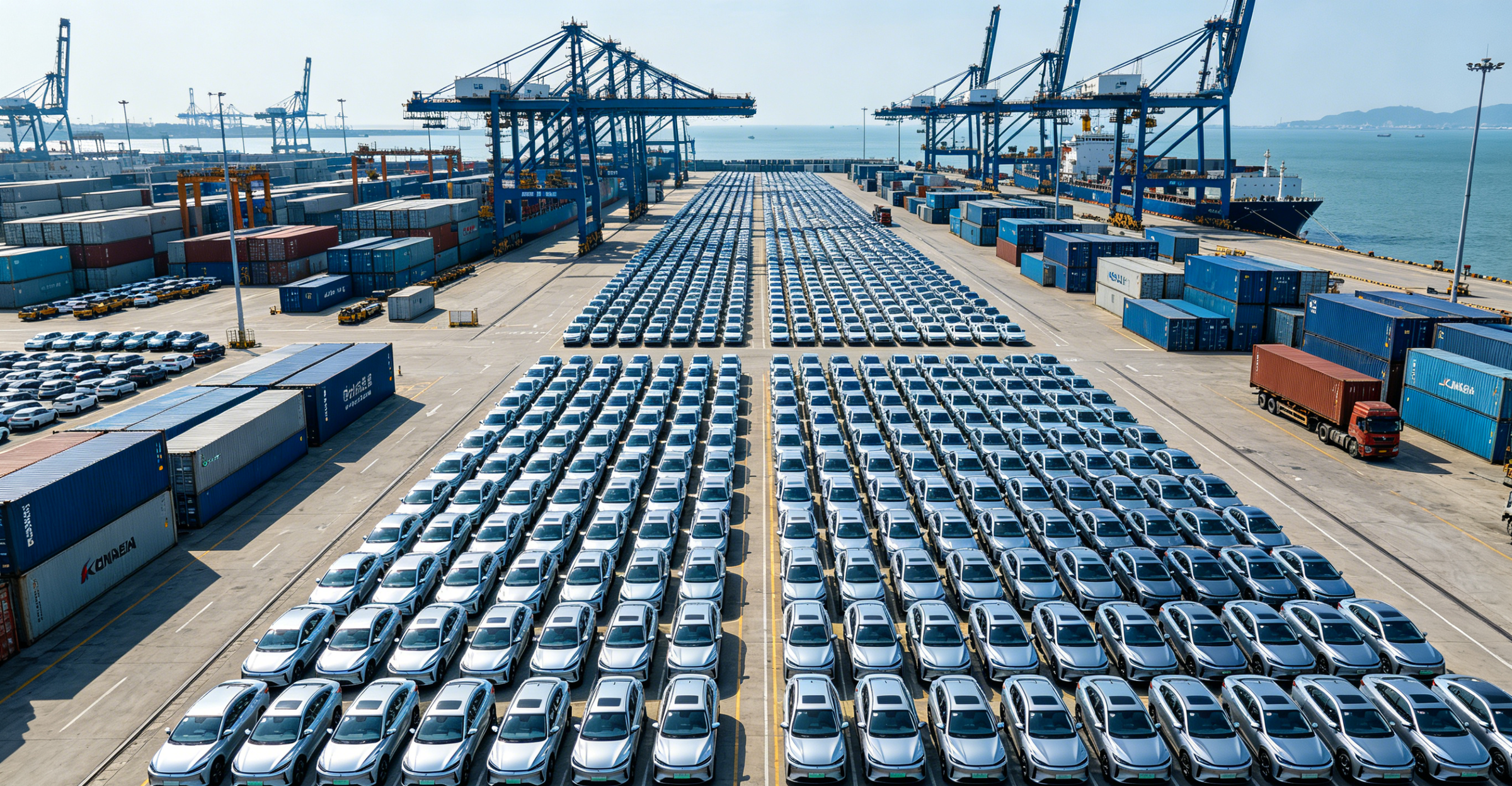
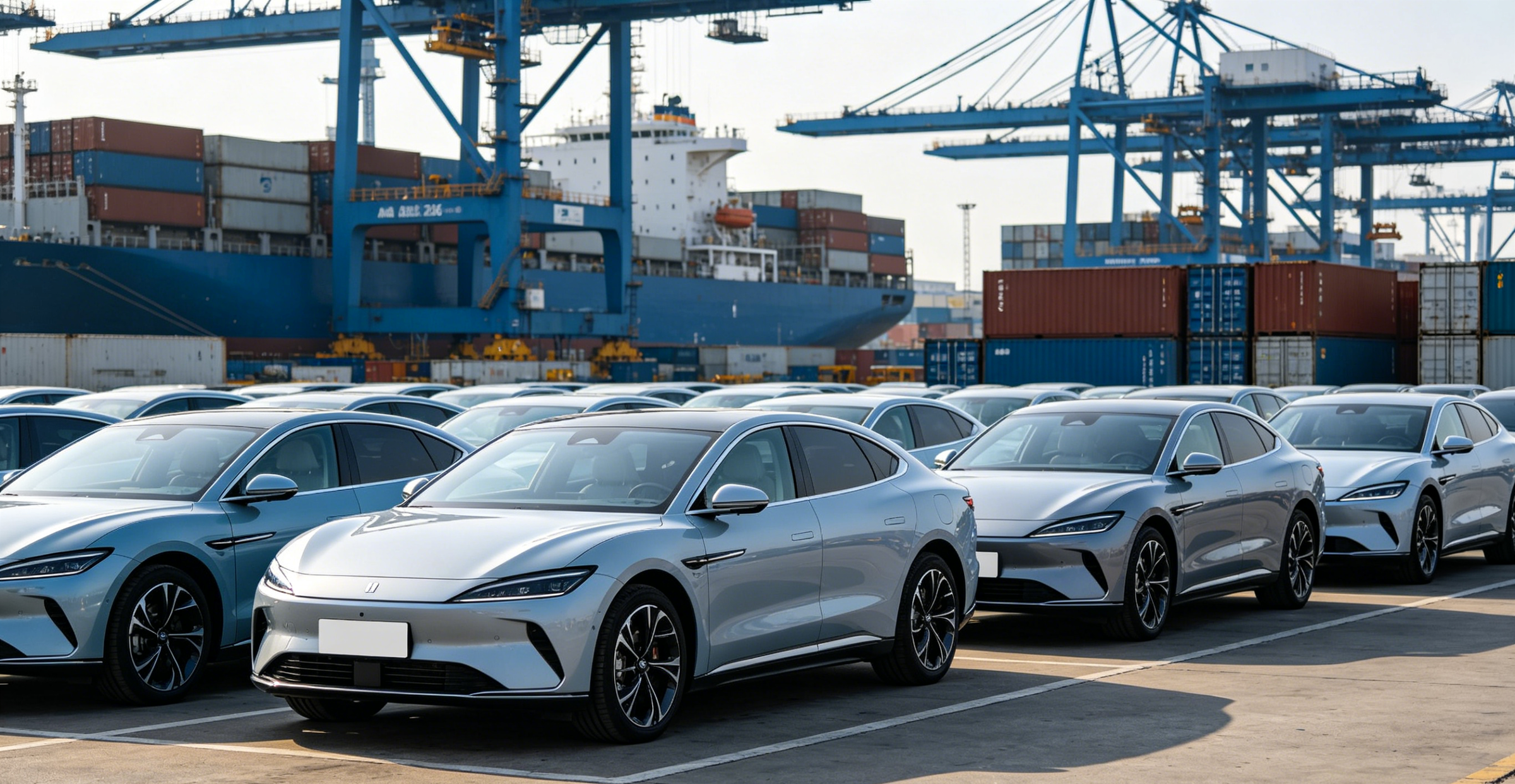
First-hand overseas freight and port inspection insight obtained from April 2026 cross-border automotive logistics frontline, revealing unpublicized export adjustment trends of mainstream Chinese car brands.
Different from public sales data, frontline port logistics feedback shows that many mainstream Chinese automakers have slowed down the export of entry-level low-profit models in April 2026.
Brands are actively increasing the proportion of high-end long-range EVs and intelligent configuration versions in overseas shipments. This adjustment aims to cope with rising international logistics costs and improve single-vehicle export profit space.
In addition, the overall qualification review speed of Chinese EVs for overseas certification has been significantly improved, greatly shortening the cycle from factory shipment to local listing and sales.
April 2026 Export Brand Tier & Competitiveness Analysis
The market share pattern of China’s exported EVs has further stabilized in April 2026. Head brands form absolute competitive advantages, while new energy start-ups are gradually narrowing their overseas layout gaps.
For brand layout strategy reference, overseas investors can check to optimize regional inventory allocation.
| Brand Tier | Core Export Features | Main Target Markets | April 2026 Trend |
|---|---|---|---|
| Top Tier Traditional Brands | Complete product matrix stable qualification | Global full regional coverage | High-end model shipment increase |
| New Energy Luxury Brands | Intelligent configuration high premium ability | Europe Oceania Middle East high-end market | Rapid market share growth |
| Cost-Performance Brands | Low price high cost performance | Southeast Asia South America | Partial shipment volume contraction |
Future Export Trend Forecast for Q2-Q3 2026
Combined with April’s data performance and frontline industry changes, China’s EV export market will usher in structural upgrading in the next two quarters. The era of relying on low-price volume expansion is completely over.
High-value intelligent new energy vehicles will become the main growth force of China’s overseas exports. Brand high-end globalization will be the core development direction of the industry throughout 2026.
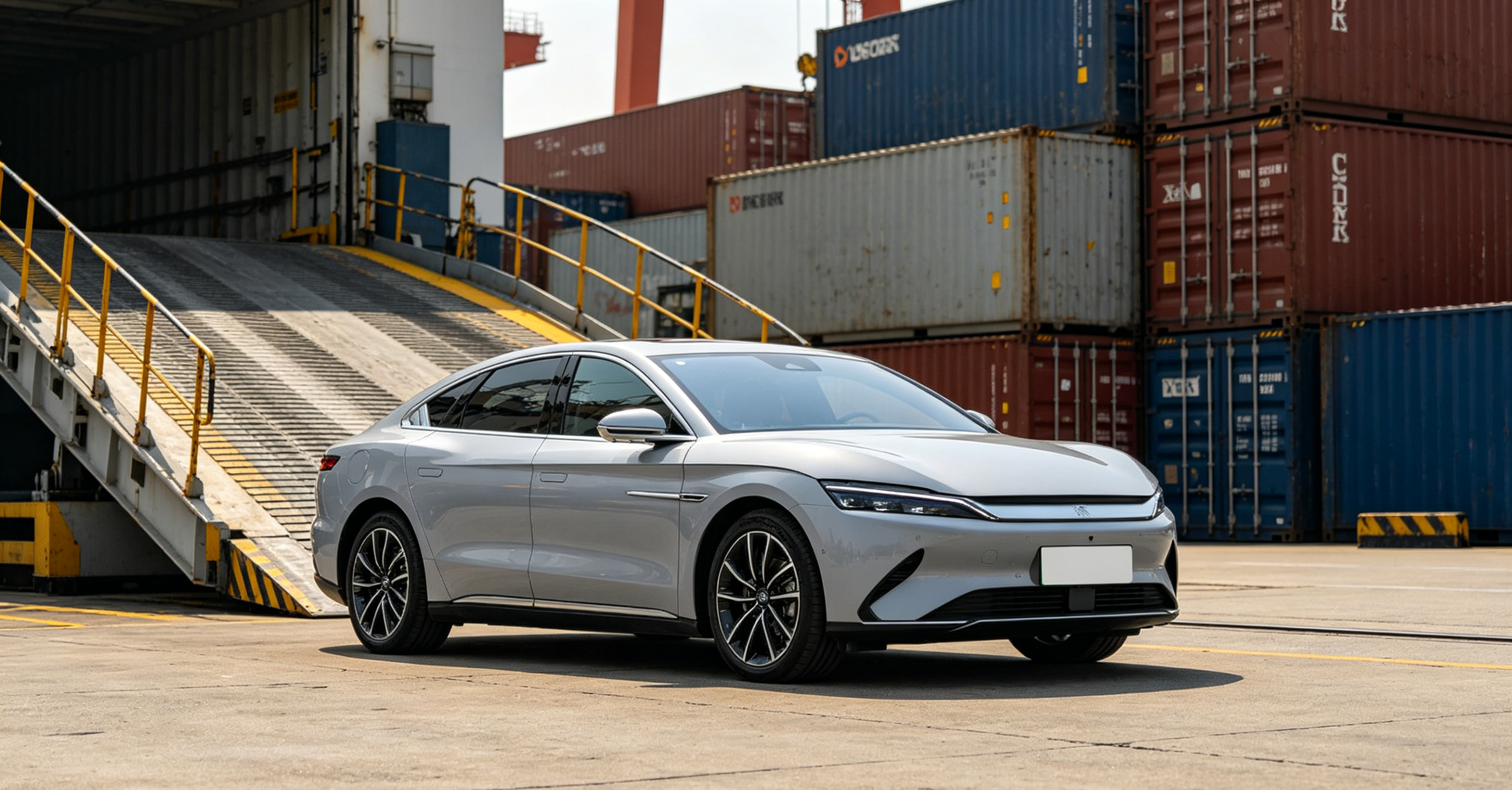
At the same time, regional market differentiation will be further intensified. Targeted product customization for different regional climates and road conditions will become the core competitiveness of brand overseas development.Single China mainstream EV sedan prepared for cross-border sea export in April 2026
Professional Industry Consultation & Layout Guidance
If you need in-depth customized April 2026 EV export data reports, regional market investment risk assessment, brand agent cooperation consultation, or overseas inventory layout suggestions, please
We provide one-stop cross-border automotive trade analysis, market trend interpretation and business layout planning services to help global practitioners accurately grasp 2026 China EV export opportunities.
Author Profile: This article is written by a senior cross-border automotive industry analyst with 9 years of global EV market research experience. All statistical data and frontline insights are updated as of April 2026.