1. Why Used EV Export Requires a Different Playbook
The globally used EV market is exploding. But most traditional used car exporters don't understand the nuances.
What makes EVs different for export
- Battery health determines 40% of the vehicle's value
- Dangerous goods regulations apply to lithium batteries
- Charging standards vary by destination country
- Export approvals require additional documentation
The opportunity: Fewer competitors understand this space. Importers who master the EV export process face less competition than in the gasoline used car market.
A used gasoline car export from China takes 25-35 days from payment to delivery. A used EV export takes 35-50 days. The extra 10-15 days come from battery certification, dangerous goods paperwork, and specialized shipping availability. Plan your inventory accordingly.
2. Step 1: Sourcing the Right Used EV
Not every used EV works for international export. Here's what to look for.
Vehicle eligibility checklist
Before purchasing any used EV for export, verify:
| Requirement | Why It Matters | Red Flag |
|---|---|---|
| Clean title (no salvage) | Salvage EVs often have battery damage | "Rebuilt" or "flood" on title |
| Under 80,000 km | Battery degradation accelerates after this | High mileage + no SOH report |
| 2020 or newer | Older EVs have incompatible charging standards | Pre-2020 without CCS2 |
| Valid battery warranty | Transferable? Some countries honor it | "Warranty void on export" |
Best source channels for used EV inventory
Channel 1: BYD certified pre-owned
BYD operates its own used car program. Vehicles come with:
- Factory battery health certificates
- One year warranty (China only, but verifies condition)
- Higher prices but lower risk
Channel 2: Major used car platforms (Guazi, Renrenche)
These platforms list thousands of used EVs. Benefits:
- Wide selection across models and years
- Third-party inspection reports available
- Negotiable pricing
Channel 3: Direct dealership trade-ins
Build relationships with BYD, Geely, or Nio dealerships. They receive trade-ins daily. Buying direct cuts out platform fees by 5-8%.
3. Step 2: Battery Health Verification
The battery is the engine, fuel tank, and transmission of an EV—all in one. Verify it thoroughly.
What to request from the seller
Document 1: State of Health (SOH) report
Generated by the manufacturer's diagnostic system. Shows:
- Remaining capacity percentage (90%+ is excellent for 3-year-old EV)
- Number of charge cycles (under 500 cycles = low usage)
- Fast charge percentage (over 30% fast charging accelerates degradation)
Document 2: Battery voltage balance report
Shows voltage difference between cells. Healthy packs show under 20mV variation. Over 100mV indicates failing cells.
Document 3: Thermal history log
Batteries degrade faster in extreme heat. Request temperature exposure history if available.
Third-party battery testing options
| Service | Cost (USD) | What They Test |
|---|---|---|
| CCIC EV inspection | $150-250 | SOH, voltage balance, physical damage |
| TUV Rheinland | $300-500 | Full battery certification for export |
| Local diagnostic shop | $80-150 | Basic SOH reading only |
Minimum acceptable SOH by vehicle age:
- 1-2 years old: 95%+ SOH
- 3-4 years old: 90%+ SOH
- 5-6 years old: 85%+ SOH
- 7+ years: Not recommended for export
4. Step 3: Documentation and Export Approval
Used EV exports require more paperwork than gasoline vehicles.
Required documents checklist
| Document | Obtained From | Processing Time |
|---|---|---|
| Vehicle title | Seller | 1-3 days |
| Export license | Chinese exporter | Already held |
| Battery safety certificate | Testing lab | 3-7 days |
| Dangerous goods declaration | Freight forwarder | 1-2 days |
| Commercial invoice | Exporter | Same day |
| Packing list | Exporter | Same day |
| Bill of lading | Shipping line | At loading |
5. Step 4: Shipping Methods for Used EVs
Not all shipping methods accept lithium batteries. Here are your options.
Method 1: EV-certified container shipping
Best for: High-value EVs, small quantities (1-3 units)
Requirements:
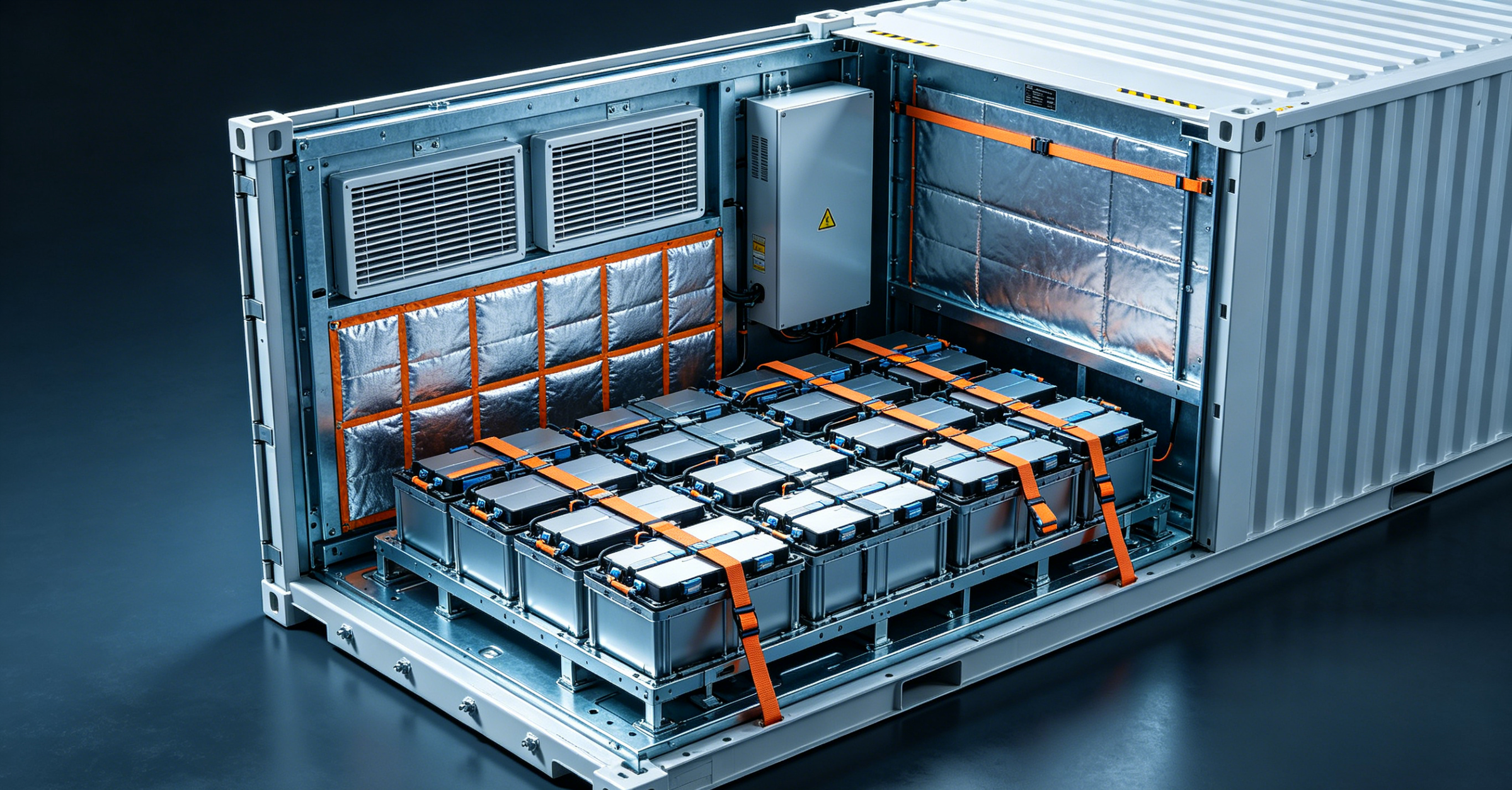
- UN3480 certified container with fire suppression
- Battery state of charge at 30-50%
- Dangerous goods placards on all four sides
40ft container capacity:
- 3 sedans (BYD Qin, Geely Geometry)
- 2 SUVs (BYD Atto 3, Nio ES6)
- 1 large van or truck
Cost per vehicle: $2,200 - $3,500 depending on route
Transit time: 35-55 days
Method 2: Ro-Ro with EV certification
Best for: Larger quantities (5+ units), lower budget
Requirements:
- Shipping lines must accept EVs (not all do)
- SOC limited to 30%
- Special parking zone on vessels (away from gasoline cars)
Cost per vehicle: $1,800 - $2,800
Transit time: 30-50 days
Method 3: Air freight (rare, expensive)
Best for: Single high-value EV, urgent delivery
Cost: $8,000-15,000 per vehicle – not economical for most
EV-friendly shipping lines (June 2026)
| Shipping Line | EV Acceptance | Ro-Ro Available | Container Available |
|---|---|---|---|
| Wallenius Wilhelmsen | Yes | Yes | Yes |
| Hoegh Autoliners | Yes | Yes | Limited |
| NYK Line | Yes, with restrictions | Yes | Yes |
| Maersk | Yes | No | Yes (EV-certified) |
| MSC | Limited | No | Yes (additional fee) |
6. Step 5: Port Handling and Vessel Loading
The physical loading process requires special precautions.
Pre-loading requirements
Before the EV reaches the port:
- Battery discharge – Reduce SOC to 30-50% (regulatory requirement)
- Terminal inspection – Port authority checks battery certification
- Dangerous goods manifest – Separate from regular cargo manifest
- Driver training – Personnel moving EVs need special certification
Loading process for container shipping
- Vehicle driven into container
- Wheel chocks installed (4 per vehicle)
- Battery disconnect performed (if required by shipping line)
- Container sealed with tamper-proof lock
- Dangerous goods placard affixed
Loading process for Ro-Ro shipping
- Vehicle driven onto vessel ramp
- Assigned to EV-specific parking zone
- Battery SOC verified again
- Secured with lashing straps
- Surrounding area cleared of flammable materials
Ports with dedicated EV handling facilities:
| Port | EV Monthly Capacity | Best For |
|---|---|---|
| Tianjin | 5,000+ units | All destinations |
| Shanghai | 3,000+ units | Africa, Europe |
| Guangzhou | 2,000+ units | Southeast Asia, South America |
| Xiamen | 1,000+ units | Smaller shipments |
7. Step 6: Ocean Transit and Tracking
EVs require special monitoring during the ocean voyage.
What happens during transit
- Temperature monitoring – Containers with temperature sensors alert if cabin exceeds 55°C
- Ventilation requirements – Containers must have passive ventilation (no sealed units)
- Separation rules – EV containers placed away from flammable carg
Tracking your shipment
Most EV-friendly shipping lines offer:
- Real-time container temperature alerts
- GPS location tracking
- Estimated arrival updates
Documentation needed at destination:
- Original bill of lading
- Dangerous goods declaration (copy)
- Battery certificate (original)
- Commercial invoice
8. Step 7: Destination Customs Clearance
This is where many EV importers face unexpected delays.
Pre-clearance requirements
Before your EV arrives:
- Verify import eligibility – Some countries ban used EV imports
- Confirm charging compatibility – CCS2 vs CHAdeMO vs GB/T
- Identify certified EV inspectors – Local inspection may be required
- Prepare tax estimates – Some countries offer EV duty reductions
Country-specific EV import rules (2026)
| Destination | Used EV Allowed? | Special Requirements | Duty Incentive |
|---|---|---|---|
| Kenya | Yes | Must have CCS2 or Type 2 | 10% lower than ICE |
| Nigeria | Yes (pilot program) | Registration only in Lagos | None currently |
| Ghana | Yes | Battery certificate required | 5% duty reduction |
| South Africa | Yes | Right-hand drive only (issue for Chinese LHD) | None |
| Morocco | Yes | Under 5 years old only | 15% reduction |
| Egypt | Restricted | Government approval needed | None |
Customs clearance checklist
Have these documents ready:
- Bill of lading (original)
- Commercial invoice (declared value)
- Packing list
- Certificate of origin
- Battery safety certificate
- Dangerous goods declaration
- Export license copy
- SOH report (some countries require)
Common clearance delays:
- Missing battery certificate (adds 5-10 days)
- SOC above 50% at inspection (fine of $500-2,000)
- Charging port incompatibility flagged (requires modification approval)
9. Total Cost Breakdown for Used EV Export
Here's what you'll actually pay to get a used EV from China to your port.
| Cost Component | Amount (USD) | Percentage |
|---|---|---|
| Vehicle purchase (FOB) | $16000 | 58% |
| Battery certification | $200 | 1% |
| Third-party inspection | $150 | 0.50% |
| EV container shipping | $2500 | 9% |
| Dangerous goods fee | $300 | 1% |
| Insurance (2% of value) | $340 | 1% |
| Export documentation | $150 | 0.50% |
| Subtotal (before destination) | $19640 | 71% |
| Import duty (varies est 25%) | $4910 | 18% |
| VAT (est 16%) | $3142 | 11% |
| Local clearance fees | $400 | 1.50% |
| Total landed cost | $28092 | 100% |
Sample calculation: 2022 BYD Atto 3 (60kWh)
Compare to new: A new 2026 BYD Atto 3 sells for $35,000-42,000 in most African markets. The used import saves $7,000-14,000.
Cost-saving tips
- Share containers – 3 EVs in one 40ft container lowers per-unit shipping by 25-30%
- Choose Ro-Ro – Saves $500-800 per vehicle if available for your route
- Avoid peak season – Shipping costs spike August-October
What Makes This Process Different from Gasoline Car Export
Let me summarize the key differences clearly.
| Process Step | Gasoline Car | Used EV | Difference |
|---|---|---|---|
| Vehicle inspection | Engine transmission | Battery SOH voltage balance | EV requires specialized tools |
| Export approval | Standard license | #NAME? | Adds 3-7 days |
| Shipping method | Any Ro-Ro or container | EV-certified only | 20-30% higher cost |
| SOC requirement | None | 30-50% | Must discharge before shipping |
| Dangerous goods | No | Yes (Class 9) | Extra paperwork and fees |
| Destination clearance | Standard | #NAME? | More potential delays |
| Total timeline | 25-35 days | 35-50 days | 10-15 days longer |
Your Used EV Export Action Plan
Exporting used EVs from China requires more work than gasoline cars. But the reward is real: less competition, better margins, and access to a growing market.
Your step-by-step action plan:
- Learn your destination market – Charging standards, import rules, EV demand
- Find an EV-specialist exporter – Generic exporters won't have battery testing
- Start with 2-3 units – Test every step before scaling
- Build local partnerships – Certified EV mechanics and charging installers
Explore more in our news coverage for related guides and updates.
Get a personalized used EV export quote for your destination market
Link to Contact Us page