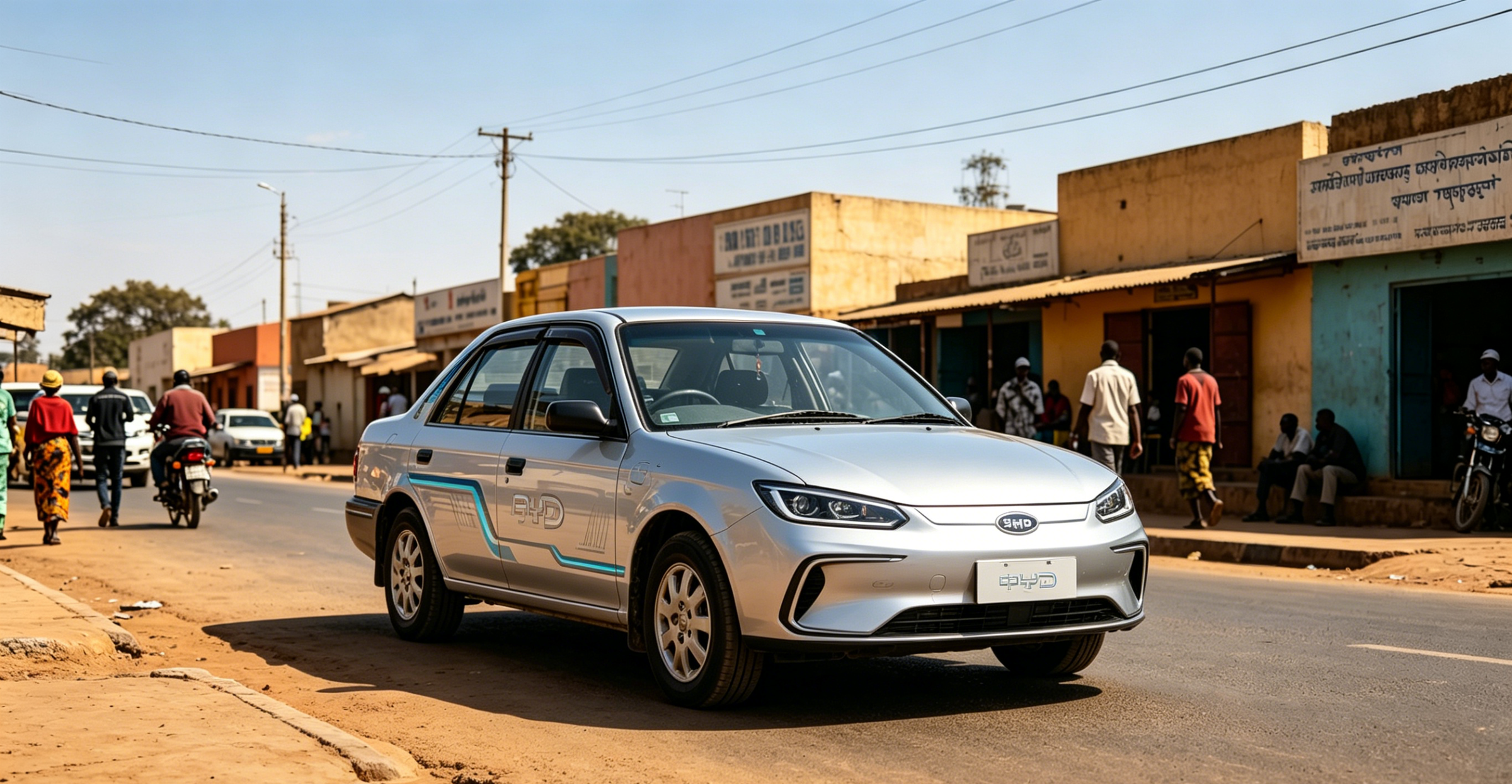

1. Strict Legal Compliance in West African Markets
West African countries including Nigeria, Ghana, Ivory Coast, Benin, and Togo mandate left-hand drive (LHD) vehicles. The law isn't optional.
The right-hand drive problem
European and Japanese used cars typically arrive as right-hand drive (RHD). Converting them costs $1,500 to $3,000 per vehicle. The work often gets done poorly.
Common conversion failures:
- Steering components installed at wrong angles (uneven tire wear within months)
- Dashboard wiring harnesses cut and spliced (electrical fires)
- Headlight beam patterns pointing into oncoming traffic
- Pedal boxes mounted off-center (driver fatigue and safety risk)
By contrast, Chinese used cars roll off the boat as factory LHD. No conversion. No hidden welding. The steering column sits exactly where the manufacturer intended. For safety inspectors and daily drivers alike, this matters enormously.
A 2019 Toyota Corolla imported from Japan requires steering conversion costing roughly $2,000. A 2019 Geely Emgrand from China needs nothing. Both arrive at similar total prices. The Geely offers a newer model year, lower mileage, and factory-correct steering. That's why buyers are doing math differently now.
2. Superior Condition and Low Mileage of Chinese Used Cars
Here's what surprises first-time buyers of Chinese used vehicles: the condition exceeds expectations.
Why Chinese used cars are different
China enforces mandatory annual inspections starting at year 3. After year 15, vehicles face semi-annual checks. This pushes owners to maintain their cars properly or sell early.
Typical used export profiles from China (2026 data):
| Vehicle Age | Average Mileage | Condition Rating |
|---|---|---|
| 3-4 years | 40,000-60,000 km | Excellent (like new) |
| 5-6 years | 60,000-85,000 km | Very good |
| 7-8 years | 85,000-110,000 km | Good (well maintained) |
| 9-10 years | 110,000-140,000 km | Fair (rarely exported) |
Compare this to used cars arriving from Europe or the US. A 6-year-old European car often shows 150,000+ km and multiple owners. The Chinese equivalent at the same age typically has half the mileage.
The reason? Chinese urban drivers average only 15,000-20,000 km annually. Wealthier owners trade up every 3-5 years. The exported surplus consists of well-maintained, low-mileage vehicles that still have plenty of life left.
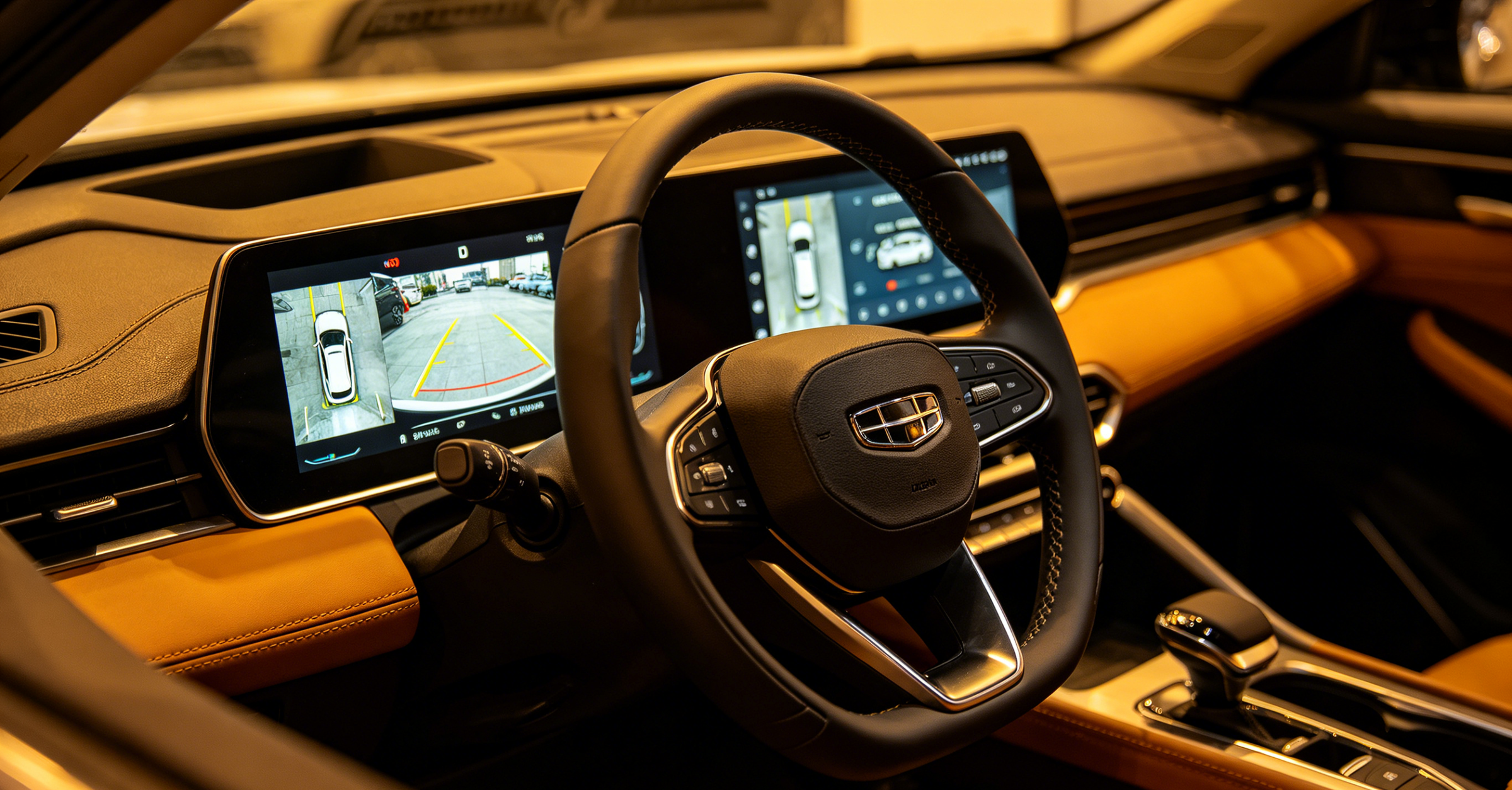
3. Unbeatable Value and Smart Tech from Chinese Brands
Walk into any used car lot in Lagos or Accra. A 2015 European SUV costs $12,000 with cloth seats, a basic radio, and 140,000 km on the clock.
A 2019 Chinese compact SUV costs $10,000 with leather seats, a touchscreen display, backup camera, and 55,000 km.
The tech gap widens
Chinese automakers started equipping cars with modern features years before budget-oriented Japanese or European brands did.
Features you get in 2018-2020 Chinese used cars:
- 8-10 inch central touchscreen with smartphone mirroring
- 360-degree camera system (not just reverse camera)
- Digital instrument clusters
- Keyless entry with push-button start
- Dual-zone automatic climate control
Try finding these for a 2015-2017 Toyota, Honda, or Nissan at the same price. You won't. Those cars offer reliability but no modern convenience.
The trade-off is real: you sacrifice some brand prestige and a proven 300,000 km track record. But for buyers who want features that feel current and a car that doesn't scream "I'm 15 years old," the Chinese used option wins.
4. Growing Spare Parts Supply Chain and Mechanical Expertise
The old argument against Chinese cars was "where do I get parts?" That argument is dying.
Parts availability in 2026
Chinese brands including Chery, Geely, Haval, BAIC, Changan, and BYD have established official distributor networks across West Africa. Unofficial parts importers now stock common wear items.
Parts you can find easily in major West African cities:
- Oil filters, air filters, brake pads (all Chinese brands share common sizes)
- Suspension bushings and control arms
- Alternators and starters
- Headlight assemblies
- Door handles and mirrors
What's still difficult:
- Transmission control modules (electronic failures require dealer help)
- Specific trim pieces for rare models
- Advanced driver assistance system sensors
The mechanical situation: Five years ago, few West African mechanics knew Chinese cars. Today, training programs and hands-on experience have changed that. In Lagos alone, over 200 independent shops now list "Chinese vehicle specialist" on their signs.
For popular models like the Haval Jolion or Geely Coolray, parts availability now approach what Toyota owners enjoy. For less common models, you'll wait longer. But you won't be stranded.
5. Step-by-Step Guide: How to Safely Source Used Cars from China
Ready to buy? Follow this process to avoid scams and costly mistakes.
The five-step sourcing method
Step 1: Find a verified Chinese exporter
Look for companies with:
- Business licenses visible on their website
- Video walkarounds of actual inventory (not stock photos)
- Payment protection (escrow services or letter of credit)
- References from West African buyers
Step 2: Inspect before buying
Request the following from any exporter:
- High-resolution photos of exterior, interior, engine bay, and undercarriage
- Video start-up showing no warning lights
- Inspection report from a third-party company (like CCIC or TUV)
- Clear title showing no outstanding loans or accident history
Step 3: Confirm shipping method
Two options exist:
| Method | Best For | Cost | Transit Time |
|---|---|---|---|
| Ro-Ro (Roll-on/Roll-off) | Running vehicles, lower budget | $1,200-1,800 | 30-45 days |
| Container | High-value cars, extra protection | $2,000-3,000 | 35-50 days |
Step 4: Handle customs clearance
Your exporter should provide:
- Bill of lading
- Commercial invoice (declared value affects import duty)
- Certificate of origin
- Export customs clearance document
Employ a licensed customs agent at your destination port. Their fee typically runs $200-500 and saves weeks of frustration.
Step 5: Final delivery
After paying import duties (rates vary by country and engine size), your car clears customs. Arrange local transport or drive it away.
Red flags to avoid
- Sellers demand full payment before sending any photos
- Prices 40%+ below market average (scam)
- No physical address listed on their website
- Reluctance to do video calls showing the actual car
This article contains current information as of June 2026. Import duties and regulations vary by country. Always verify current requirements with local customs authorities before purchasing.
Explore more in our news coverage for related guides and updates.
Browse our current inventory of used Chinese LHD cars for West Africa
Used left-hand drive cars from China are overtaking European and Japanese imports in West Africa.