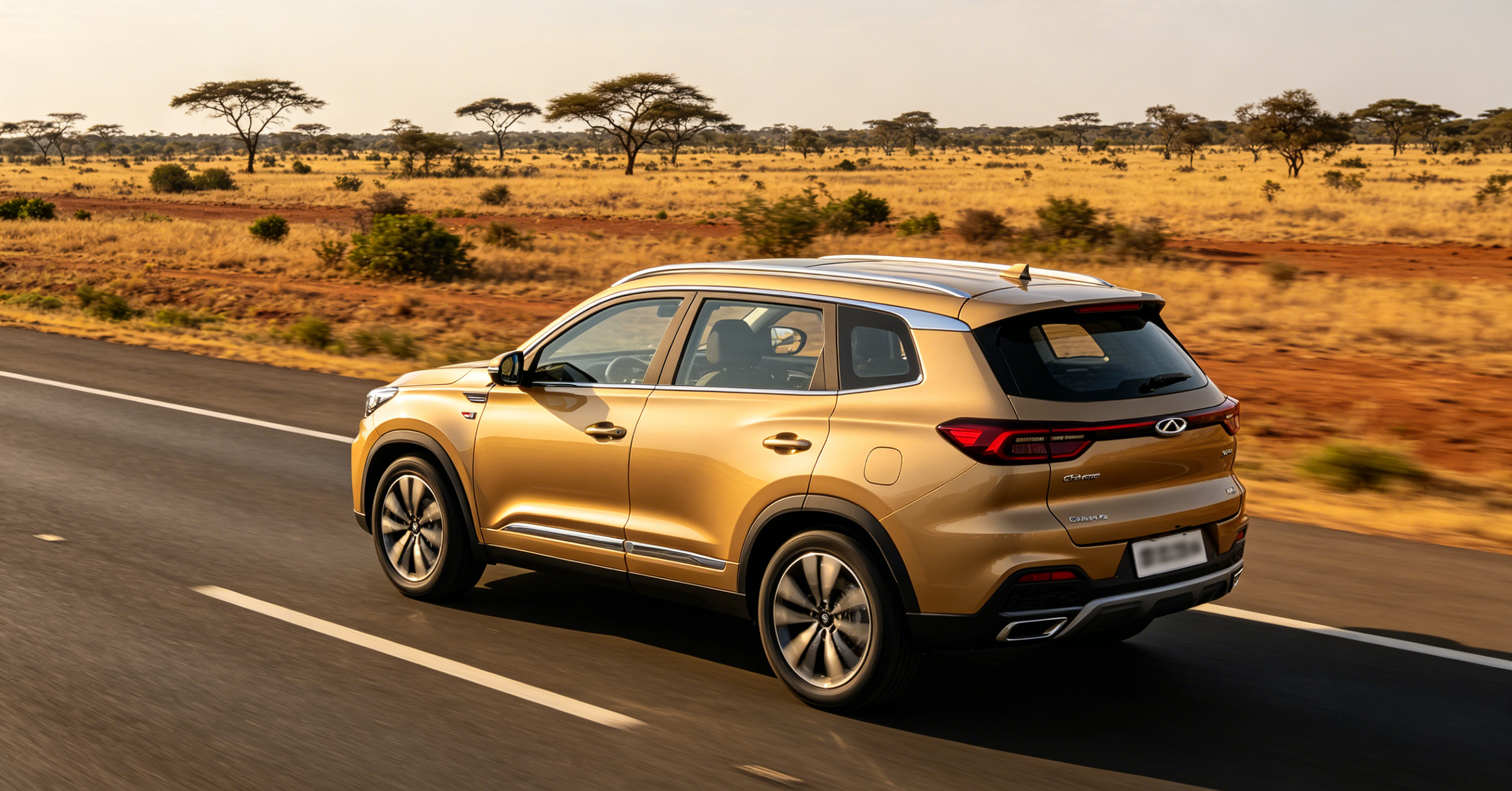
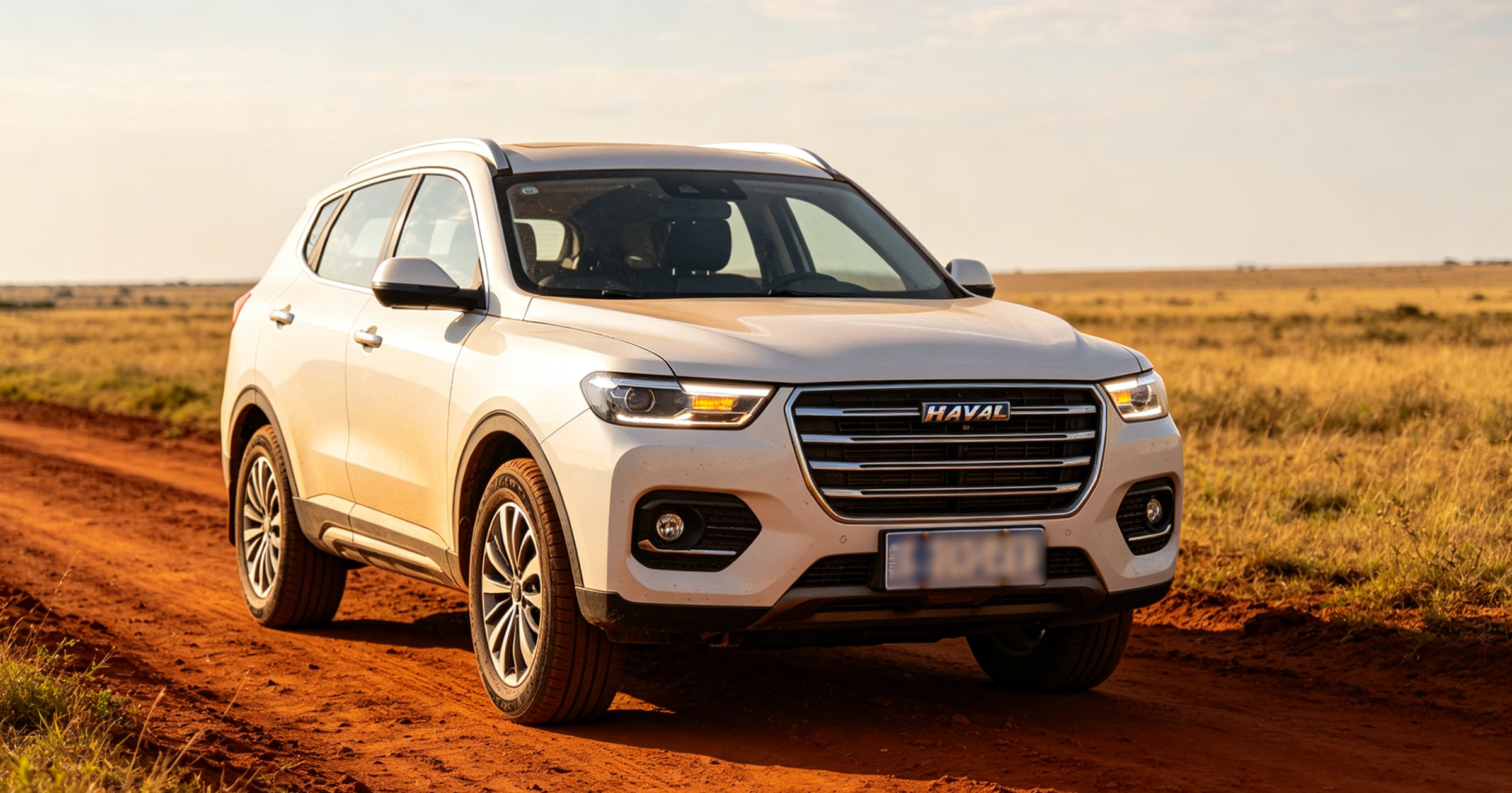
Why Chinese Brands Are Winning the Used Car Market in 2026
The shift did not happen overnight. Five years ago, a used Chinese car was a gamble. Today? It is a calculated decision backed by data.
The numbers tell a clear story. According to 2026 import data from major African ports—including Mombasa, Durban, and Tema—Chinese-brand used vehicles now account for approximately 22% of total used imports in several key markets. That is up from just 8% in 2020.
What changed? Three things. First, Chinese manufacturers extended warranty coverage into Africa, which built trust. Second, local distributors invested in parts warehouses. Third, African buyers realized they could buy a 2022 Haval for the same price as a 2014 Toyota.
The Value Proposition
When you buy a used Chinese vehicle in 2026, you get a vehicle that is typically 3 to 5 years old. A used Japanese or German vehicle at the same price point is often 10 to 12 years old. That age gap translates directly into fewer rust problems, better safety technology, and lower immediate repair costs.
The Top 5 Ranking – Methodology and Data Sources
Before naming the top five, let us be clear about the ranking criteria. This is not based on brand reputation alone. The ranking uses three specific metrics: used market sales volume across five major African countries (Nigeria, Kenya, South Africa, Ghana, Tanzania), parts availability score measured by distributor stock levels, and owner-reported reliability from service center records.
| Rank | Brand | Market Share (Used) | Strengths | Best for |
|---|---|---|---|---|
| 1 | Haval | 28% | Parts network, resale value | Family SUVs |
| 2 | BAIC | 22% | Off-road capability, durability | Rugged use, fleets |
| 3 | Cherry | 18% | Fuel economy, affordability | First-time buyers |
| 4 | GAC | 12% | Interior quality, comfort | Business use |
| 5 | Changan | 9% | Cargo vans, commercial | Small business |
The remaining 11% of the market is divided among smaller brands including DFSK, JAC, and MG. Now let us examine each top brand in detail.
Haval – The Market Leader (28% Share)
Haval sits at the top for a simple reason. They built a parts network before they sold the first car. When a Haval H6 needs a new alternator in Nairobi, that part is usually in a local warehouse within 48 hours. That kind of logistics wins repeat buyers.
Why Haval Dominates
The Haval H6 is the single best-selling used Chinese model in Africa. Buyers trust it because it has been on the road long enough to prove itself. The newer Haval Jolion is gaining ground among urban buyers who want a smaller footprint and an even better fuel economy.
Key advantages for African buyers:
- Factory-backed service plans transfer to second owners in many markets
- Diesel engine options available (preferred for high-mileage drivers)
- Strong resale value compared to other Chinese brands
The downside? Haval used prices have climbed as demand increased. You will pay a premium to the brand leader. But many buyers argue that a premium is worth paying for peace of mind.

BAIC – The Off-Road Specialist (22% Share)
BAIC does not try to beat Haval in the family SUV game. Instead, BAIC owns the rugged segment. The BAIC BJ40 and BJ80 are ladder-frame 4x4s built for roads that barely qualify as roads.
Where BAIC Excels
If your work involves farms, mines, or remote construction sites, a used BAIC makes more sense than a used Toyota Land Cruiser. Why? Price. A 2022 BAIC BJ40 costs roughly half what a 2015 Land Cruiser costs in the same market.
The BAIC advantage:
- True off-road hardware (low-range transfer case, solid rear axle)
- Diesel engine option with excellent fuel economy (8-9 L/100 km)
- Simpler electronics than luxury brands (easier to fix locally)
Watch out for: The BJ40 rides stiffly on paved roads. It is a truck. Buy it for the bush, not for highway cruising.
BAIC also sells sedans and crossovers under the same brand, but the used market values off-road models most. A used BAIC sedan does not command the same premium.
Cherry – The Fuel Economy Champion (18% Share)
Cherry competes on a different axis. Haval wins on parts. BAIC wins on toughness. Cherry wins on running costs. The Cherry Tiggo 4 Pro and Tiggo 7 Pro are popular among first-time used car buyers who need to stretch every liter of fuel.
The Economics of Cherry Ownership
A used Cherry Tiggo 4 Pro with a 1.5 liter naturally aspirated engine consistently delivers 7 to 8 liters per 100 km in mixed driving. That is sedan territory. For a family moving from a 15-year-old Toyota with a thirsty V6, fuel savings alone can cover the monthly loan payment.
Cherry's strengths:
- Lowest fuel consumption in the segment
- Lower purchase price than Haval (even on used market)
- Simple mechanical design (local mechanics learn quickly)
The trade-off: Cherry interiors use harder plastics. The cabin is noisier at highway speeds. The brand prioritizes affordability over refinement. For many buyers, that is exactly the right trade.
Cherry has also invested heavily in East Africa specifically. Used Cherry availability in Kenya and Uganda is higher than in West Africa. Regional differences matter.
GAC and Changan – The Specialists (12% and 9% Share)
These two brands occupy smaller but important niches in the used market. They are not trying to outsell Haval. They are winning specific customer groups.
GAC – For Buyers Who Care About Interior Quality
GAC builds vehicles with interiors that rival Korean brands. The GAC GS8 three-row SUV offers leather, soft-touch materials, and acoustic glass that keeps the cabin quiet. Used GAC vehicles appeal to business owners and professionals who want comfort without the German price tag. The downside? GAC's parts network is not as deep as Haval's. Urban buyers in Lagos or Nairobi are fine. Rural buyers should think twice.
Changan – The Commercial Workhorse
Changan dominates the used cargo van segment. The Changan M80 and similar commercial vehicles are everywhere in West African cities, moving goods from markets to shops. For small business owners, a used Changan van costs less than a used Toyota Hiace and delivers comparable reliability. Changan's passenger vehicles sell in smaller numbers, but the commercial side keeps the brand relevant.
How to Choose the Right Brand for Your Needs
No single brand is the best for every buyer. Your decision should depend on how you will use the vehicle and where you live.
Decision Guide Based on a Use Case
- Daily family transport in a major city: Haval H6 or Jolion. Parts are available. Mechanics know them.
- Farming, mining, or rural roads: BAIC BJ40. Nothing else in the Chinese lineup touches its off-road capability.
- First car for a young family on a tight budget: Cherry Tiggo 4 Pro. The fuel savings are real.
- Business executive who wants comfort: GAC GS8. Just verify local parts support first.
- Small business moving cargo: Changan M80 van. It is built for exactly this job.
One universal piece of advice: Before buying any used Chinese vehicle, call the local distributor and ask about parts availability for that specific model. Some models have great support. Others were sold for one year and then abandoned. The top five brands on this list have the deepest support, but even within a brand, some models are better than others.
Final Takeaway – The 2026 Used Chinese Car Market The data is clear. Used Chinese cars are no longer a fringe choice in Africa. Haval, BAIC, Cherry, GAC, and Changan have built real market positions based on parts availability, fuel economy, and purchase price. The biggest risk has shifted. The risk is no longer “will this car last?” The risk is “will I overpay for a poorly supported model from a smaller brand?” Stick to the top five in this ranking, buy a 2020 to 2022 model year, and get a pre-purchase inspection from a mechanic who knows the brand. For most African buyers, the old advice of “buy Japanese or nothing” is outdated. The math has changed. A 2022 Haval or BAIC offers more car for your money than a 2012 Toyota. That is not speculation. That is the 2026 market reality.
Explore more in our news coverage for related guides and updates.
Looking for specific used Chinese model pricing or availability in your country?
Contact our team with your budget and location.