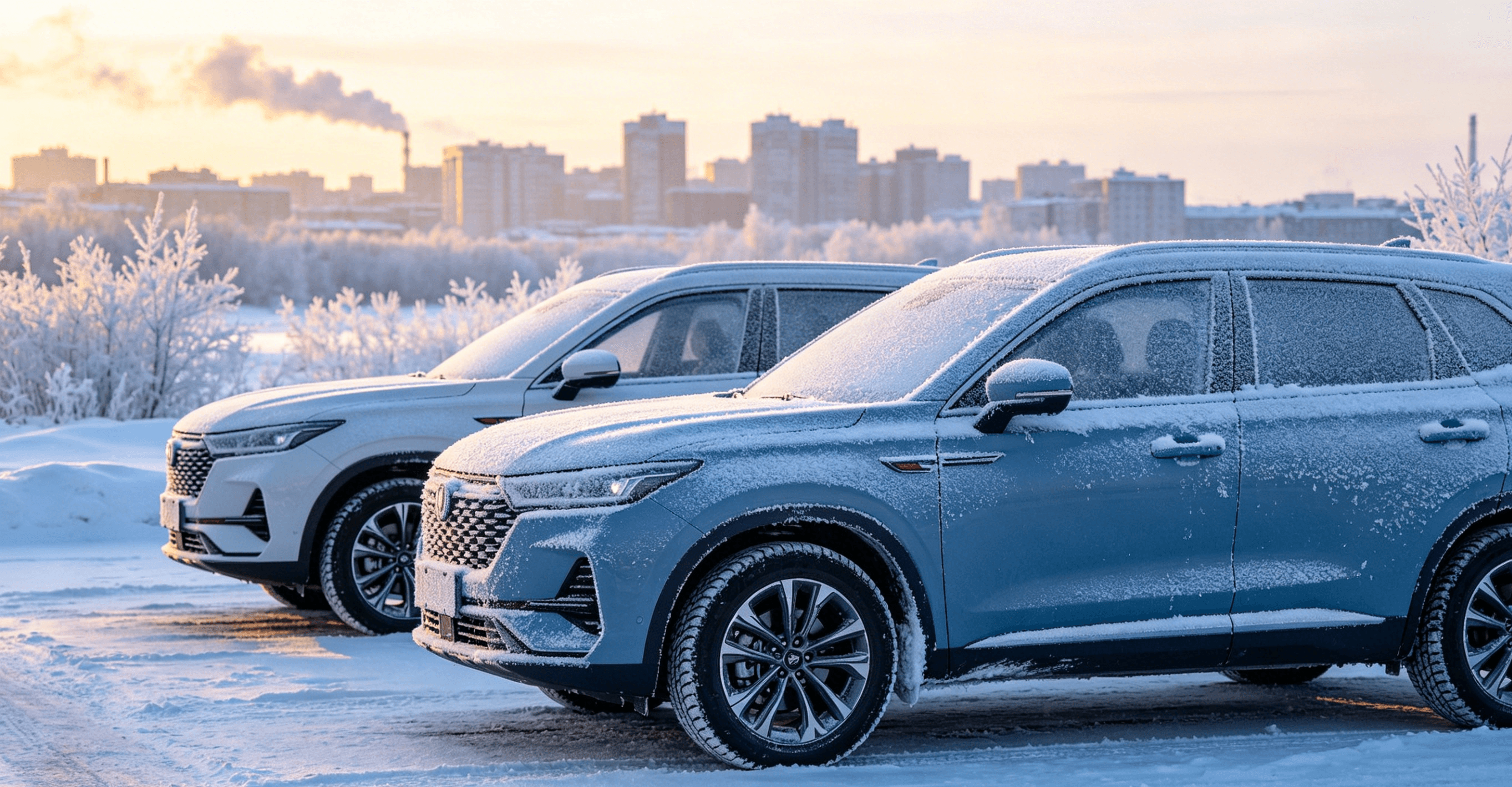
Russia's long, frigid winters set extremely high standards for vehicles in cold start performance, heating efficiency and low-temperature durability. Local car buyers are increasingly turning to Chinese automakers, as Sino-Russian auto trade keeps booming. This article analyzes the evolving market landscape, major brand strategies and real user experiences of Chinese vehicles running in Russia's harsh winter conditions.
Rising Popularity of Chinese Cars in Russia's Winter Market
Temperatures often drop below -30°C across Russia in winter. Western and Korean brands once dominated the local market, yet the market pattern has shifted dramatically over the past two years. Russian consumers now value cost-effectiveness, rich configurations and reliable cold resistance, where Chinese cars stand out.
According to data from Russian Auto Industry News Portal, the market share of Chinese passenger vehicles in Russia's cold zones has grown for four consecutive months since early 2026. The Far East and Siberian regions have seen the most prominent growth.
Most family car owners and private fleet buyers focus on four core capabilities: reliable cold start, fast cabin heating, low-temperature battery performance for new energy vehicles and solid chassis stability. Driven by such demands, local importers have adjusted their vehicle lineup, prioritizing models optimized for extreme cold weather.
Targeted Localization by Chinese Automakers
Instead of launching standard domestic versions directly, major Chinese car brands have rolled out dedicated adjustments to adapt to Russia's harsh climate and rough road conditions. This is the key reason why Chinese vehicles gain a firm foothold in the local winter market.
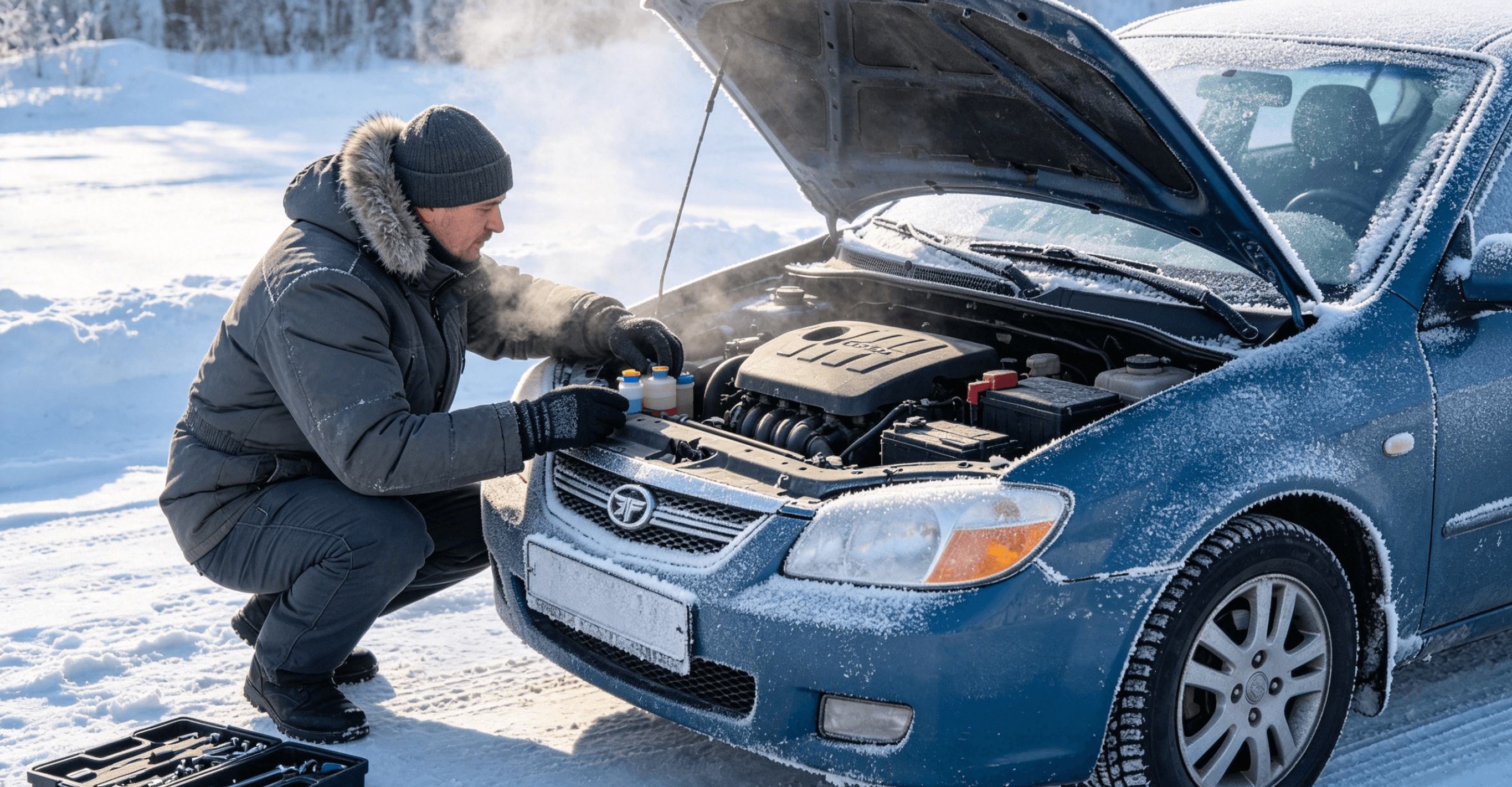
Manufacturers have upgraded engine preheating systems, enhanced body sealing and matched winter tires as standard. For new energy models, independent battery thermal management systems are fully optimized. Some carmakers have partnered with Overseas Vehicle Calibration Institute to complete tens of thousands of kilometers of road tests in extreme cold areas.
Real Feedback from Local Car Owners
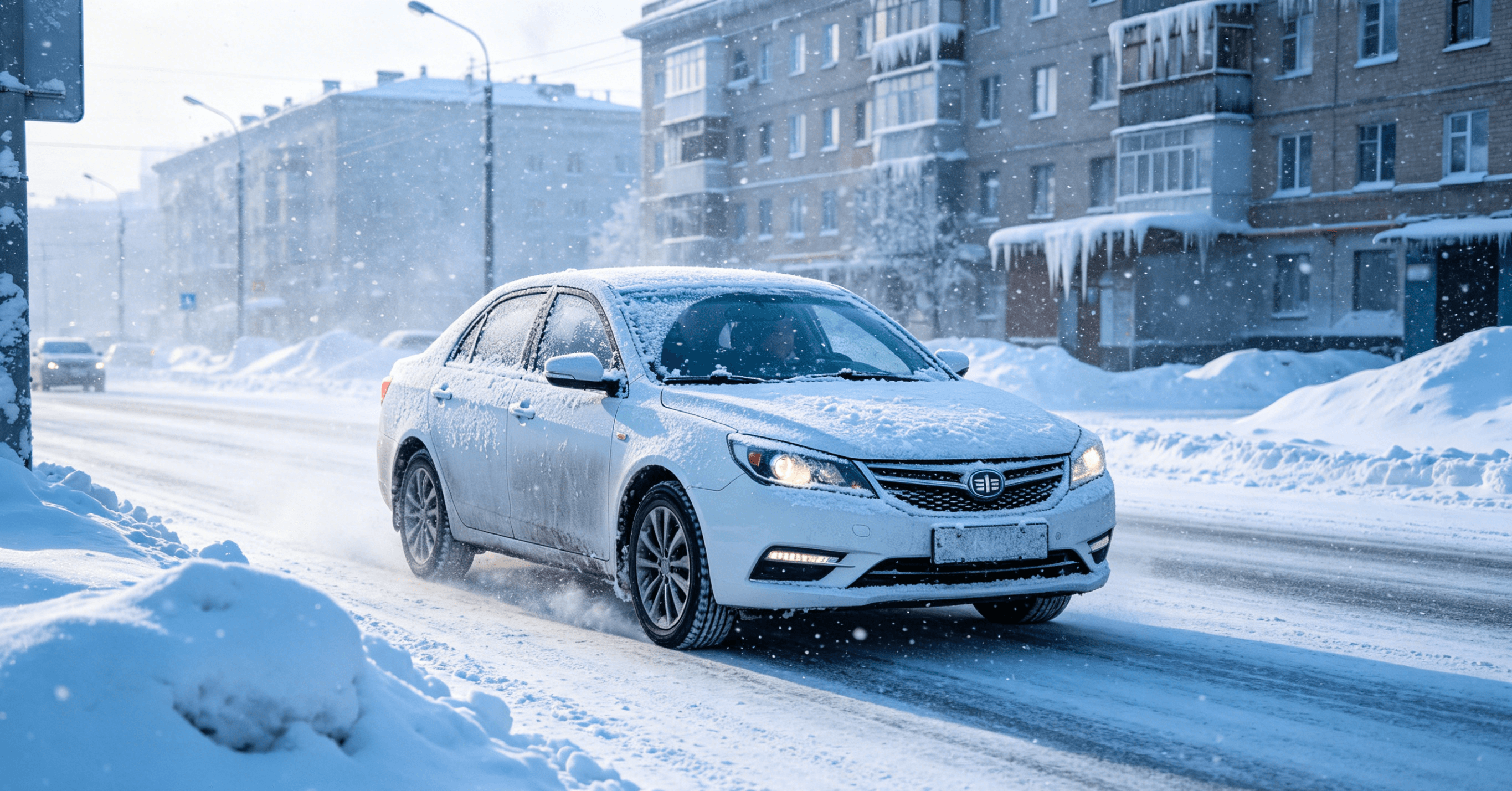
Drivers based in Siberia shared their long-term usage experience. The latest Chinese fuel-powered models can start smoothly at -35°C, and the cabin heater warms up 2 to 3 minutes faster than many established overseas brands.
Early entry-level Chinese cars once suffered from poor sealing and abnormal noises in low temperatures, but such issues have been largely resolved in new batches shipped from late 2025 to 2026. Owners of new energy vehicles also mentioned that with factory-installed low-temperature insulation kits, the winter range loss is well-controlled, fully meeting daily commuting needs.
Mainstream Chinese Models in Russia's Extreme Cold
Below is a performance comparison of mainstream Chinese models running in Russia's extreme cold environment:
| Vehicle Type | Cold Start Performance | Cabin Heating Speed | Adaptation to Snowy Roads | Main Applicable Scenarios |
|---|---|---|---|---|
| Fuel-powered Family Car | Starts stably at -35°C | Fast warming | Standard stability control | Daily commuting, family travel |
| Hybrid Car | Excellent at -38°C | Ultra-fast warming | Enhanced traction system | Long-distance driving, mixed road conditions |
| Pure Electric Car | Reliable with thermal system | Fast warming | Basic stability | Urban short-distance trips |
Brand Positioning in Cold-Zone Markets
Brand positioning is clearly differentiated. Entry-level family cars focus on comfort and basic cold resistance, while off-road and long-distance travel models are equipped with upgraded four-wheel drive systems to improve passing performance on snow and ice.
Positive Views: Cost Performance and Reliability Win Recognition
Most satisfied buyers speak highly of two major advantages. First, Chinese cars deliver far more intelligent and safety configurations at the same price level, and the electronic stability system responds promptly on icy roads.
Second, the after-sales service network keeps improving. Maintenance outlets for Chinese brands can be found in most Russian cities, making winter inspection and parts replacement much more convenient. Used car dealers also confirm that the resale value of Chinese cars has risen steadily over the past year.
Cautious Views: Existing Worries among Skeptical Users
Some veteran car owners still hold reservations. A major concern lies in the anti-corrosion performance of entry-level models. Road salt used for de-icing in winter may cause minor chassis faults after long-term use.
In extremely cold remote areas, even calibrated pure electric vehicles face limited driving range for long trips. For this reason, fuel-powered cars still remain the top choice for cross-region travel and light cargo transport.
Development Trends of Russia's Winter Vehicle Market
Judging from current sales data, user reviews and brand layouts, Chinese cars will continue to expand their presence in Russia's cold regions. In the short term, fuel-powered Chinese vehicles will remain mainstream, thanks to their proven low-temperature reliability.
Hybrid models are poised to become the next growth driver. They combine the long-range advantage of fuel cars and energy-saving features of EVs, perfectly fitting Russia's complex winter road conditions. Pure electric vehicles will mainly serve urban short-distance commuting, and will attract more users as battery thermal control technology advances.
Local distributors will further refine import strategies, phasing out models unfit for extreme cold and exclusively introducing cold-tested vehicles to strengthen market competitiveness.
Conclusion: Chinese Cars Are Proven for Russian Winters
Russia's severe winter has become a rigorous test for Chinese automotive products. From market statistics and real user experience to brand localization strategies, it is clear that Chinese automakers have integrated deeply into the local market.
Fuel cars maintain dominance with stable cold resistance, hybrid vehicles show great potential, and pure electric cars target urban commuting. Today's Chinese cars are no longer merely budget options, but reliable choices balancing performance, configurations and overall quality for Russian winter driving.
If you have inquiries about model introduction or vehicle purchasing, please leave a message on our Contact Us page.
The author has 8 years of experience in overseas automotive market analysis, focusing on Sino-Russian auto trade and overseas vehicle adaptation research. All information in this article is updated as of May 2026.
Ready to import? Request a quote or contact our export team.